

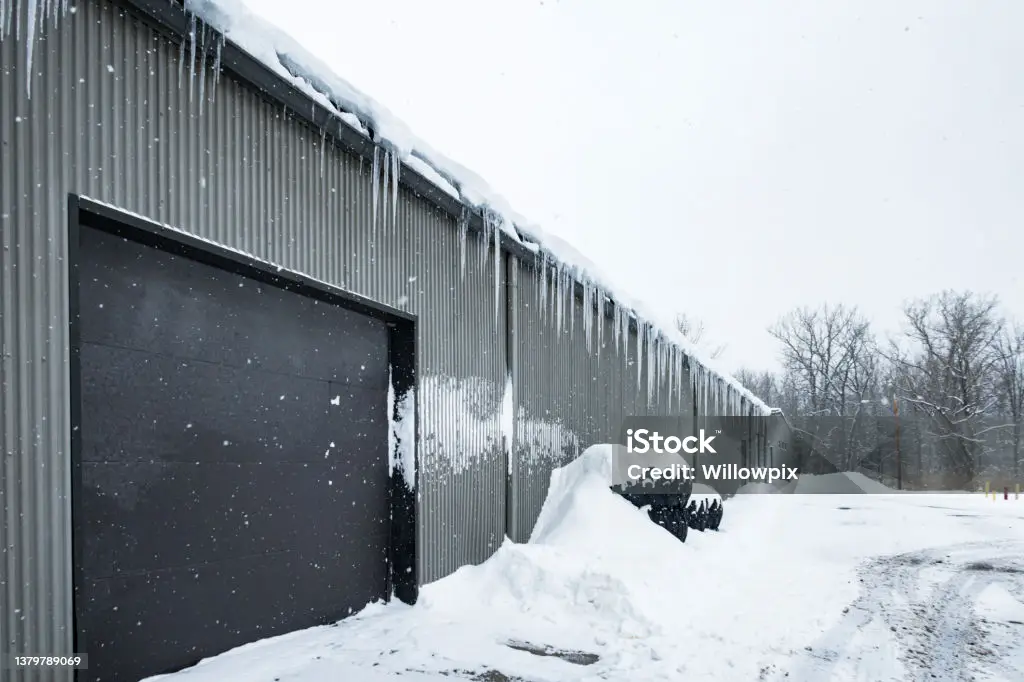
Every autumn, we get calls from farmers and landowners dealing with leaks, blown roof sheets and blocked gutters -problems that could often have been prevented with a quick check before the winter storms arrived. Here's a straightforward checklist you can run through to keep your steel buildings in good shape over the colder months.
1. Roof Sheets
Your roof is the first line of defence against the weather, so it's worth giving it a proper look over:
- Check for loose or lifted sheets -high winds can work fixing screws loose over time. Look for sheets that have lifted at the edges or are moving in the wind.
- Look for corrosion -older roofing sheets can develop rust spots, particularly around fixings and overlaps. Small patches can be treated, but widespread corrosion usually means it's time for a re-roof.
- Inspect the ridge capping -the ridge line where the two roof slopes meet is a common point for leaks. Make sure the capping is secure and the foam fillers underneath are still in good condition.
- Check roof lights -if you have translucent roof panels, check they're not cracked, discoloured or leaking around the edges.
2. Gutters and Downpipes
Blocked or damaged gutters cause more problems than most people realise. Water that can't drain properly ends up running down walls, pooling around foundations and getting into places it shouldn't be.
- Clear out debris -leaves, moss and bird nests are the usual culprits. A good clean out in October or November will save you trouble later.
- Check for sagging -gutters that have pulled away from their brackets won't drain properly and will overflow in heavy rain.
- Inspect joints and seals -look for drips at gutter joints and downpipe connections. These are easy fixes now but can cause serious water damage if left over winter.
- Make sure downpipes are clear -a blocked downpipe means the gutter fills up and overflows, even if it's perfectly clean.
3. Doors
Roller shutter doors and personnel doors both need a bit of attention before winter:
- Roller shutters -check the guides are clear and the door runs smoothly. Lubricate the mechanism and check the bottom seal is making good contact with the floor. A gap at the bottom lets in rain, wind and vermin.
- Personnel doors -check hinges, locks and seals. A door that doesn't close properly is a weak point in high winds.
- Sliding doors -clean out the bottom track and make sure the wheels are running freely. Debris in the track causes doors to jam or jump off their runners.
4. Cladding and Walls
- Look for dents or damage -impact damage from machinery or animals can compromise the weatherproofing of wall cladding.
- Check flashings -the metal flashings around doors, windows and at the base of walls are designed to stop water getting in. Make sure they're still firmly fixed and haven't been bent or pulled away.
- Concrete panels -if your building has concrete panel walls, check for cracks or movement. Frost can get into small cracks and make them much worse over winter.
5. Drainage and Surroundings
Even a perfectly maintained building can develop problems if the ground around it isn't draining properly:
- Check land drains -make sure any land drains or soakaways around the building are working. Waterlogged ground around foundations is bad news.
- Clear vegetation -cut back any plants, ivy or trees growing close to the building. They hold moisture against the cladding and can force their way into joints.
- Grade the ground -the ground should slope away from the building, not towards it. If water is pooling against the base, it needs sorting before winter.
6. Inside the Building
- Ventilation -condensation is a bigger problem in winter. Make sure ventilation openings are clear and working -you want airflow to reduce moisture build-up.
- Check for daylight -on a bright day, stand inside with the doors closed and look for daylight coming through the roof or walls. Any visible gaps mean water is getting in too.
- Electrics -if you have lighting or power in the building, get it checked by a qualified electrician, especially if there are any signs of water ingress near electrical fittings.
When to Call a Professional
Some jobs are easy enough to do yourself -clearing gutters, lubricating doors, cutting back vegetation. But anything involving working at height, structural issues, or roof repairs should be done by someone with the right equipment and experience.
If you spot a problem during your checks -a corroded roof sheet, a leaking gutter joint, loose cladding -it's always better to get it fixed before winter rather than waiting until it fails in a storm. Emergency repairs in bad weather are more expensive, more difficult, and more dangerous than planned maintenance done in dry conditions.
We offer a full repairs and maintenance service and we're happy to come out and do a proper inspection if you'd like a professional pair of eyes on your buildings before winter hits.
Need a pre-winter inspection?
Give Graham a call and we'll come out and check your buildings over -no obligation.